 +1 (416) 768-8422
 +1 725 215 2141
 +44 7576 075578

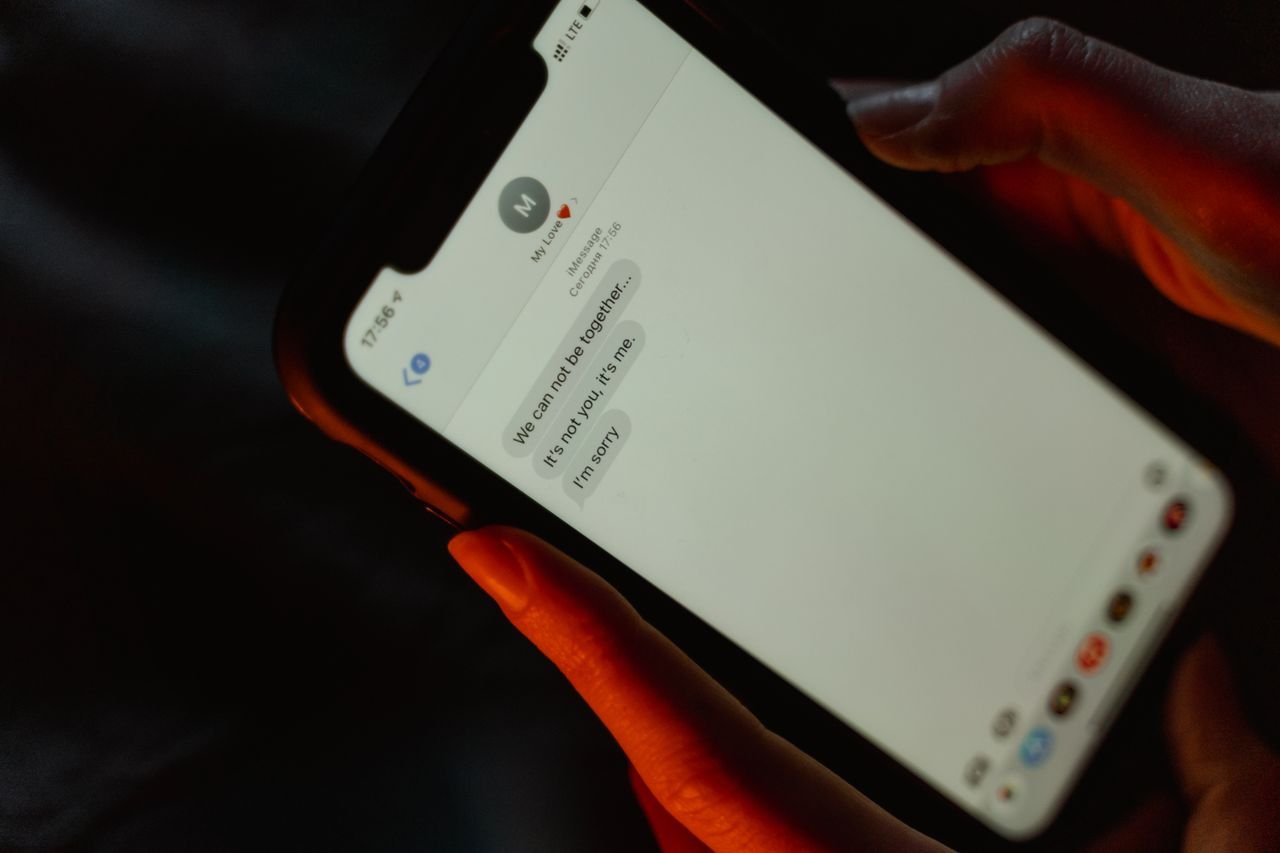
Yes, text message marketing is one of the most effective channels for dental practices, mainly for appointment reminders, recall, missed-call follow-up, and review requests. SMS open rates are commonly reported at around 90% or higher, far above email. The common problem is practices texting too little, or texting without clear consent, which can create legal and reputation issues. A good setup connects texting to your phone system, so a feature like AI Phone Workflow can send a text back the moment a call is missed.
If you’ve been hesitant because you don’t want to annoy patients, that instinct is a good one. Patients welcome useful texts like confirmations and reminders, and they get irritated by frequent promotions. The best results come from texting as a service. Denz.ai pairs lead generation with an AI receptionist that can answer and book from enquiries 24/7, including follow-ups.
Reviews are another strong use. A short text with a direct link, sent shortly after a visit, gets far more responses than asking at the front desk, and it’s part of what our Partner Add-On Services cover.
Not sure how your current reminders and recall are performing? A free consultation can review your messaging, and the World AI Group team will flag where texts could recover missed revenue.
5 texts every dental practice should send
- Appointment confirmations and reminders
- Missed-call text-back
- Recall and reactivation messages
- Post-visit review requests
- Waitlist and last-minute opening alerts
What is text message marketing for dental practices?
Dental text messaging is the use of SMS (and sometimes two-way chat through a business number) to communicate with patients about appointments, recall, follow-ups, reviews, and occasional offers. It ranges from automated one-way reminders to two-way conversations where patients can confirm, reschedule, or ask questions by replying.
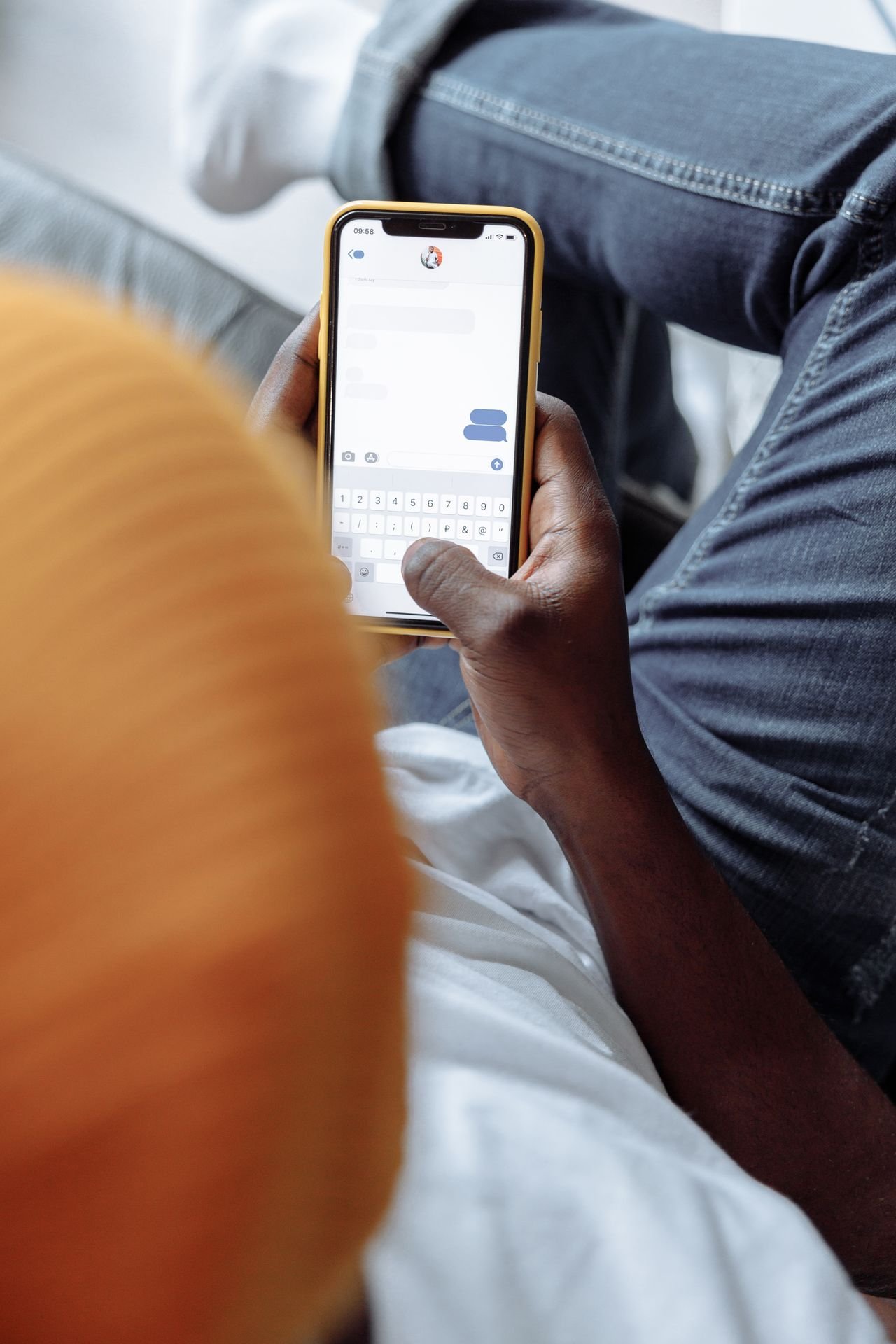
Why does texting work so well for dental offices?
- High visibility. Most texts are read within minutes.
- Low effort for patients. Replying “C” to confirm is easier than calling back.
- Fewer phone calls. Confirmations by text free up the front desk.
- Timely. A text can go out the minute a cancellation opens a spot.
- Preferred by many patients. Younger adults especially prefer texting to phone calls.
Text vs email vs phone: how do they compare?
| Text (SMS) | Phone call | ||
|---|---|---|---|
| Open or answer rate | Very high | Moderate | Often low for unknown numbers |
| Best for | Reminders, quick actions | Newsletters, forms, longer info | Complex conversations, treatment discussions |
| Staff time | Low when automated | Low | High |
| Annoyance risk | High if overused | Moderate | Moderate |
Most practices get the best results by using all 3, each for what it does best.
Which dental texts get the best results?
1. Appointment reminders and confirmations
A common pattern is a reminder 2 to 3 days before the visit with a confirm link, then a short same-day reminder. Practices that switch from calls to two-way text confirmations often see fewer no-shows.
2. Missed-call text-back
When a call goes unanswered, an automatic text like “Sorry we missed you. How can we help? Reply here or book online” keeps the patient from calling the next office on their list. This alone can recover a meaningful number of new patients.
3. Recall and reactivation
Patients overdue for a cleaning respond well to a friendly, personal reminder with a booking link. Reactivation texts to patients not seen in 12 to 18 months can fill hygiene gaps.
4. Review requests
Send within a few hours of the visit, while the experience is fresh. Keep it short with one direct link.
5. Last-minute openings
A waitlist text when a cancellation opens a slot can fill the chair the same day.
6. Post-treatment check-ins
A next-day text after an extraction or root canal (“How are you feeling? Reply if you have any concerns”) is a small touch that patients remember.
How do you set up a dental texting program?
- Collect consent on intake forms and online booking, with clear wording about what you’ll send.
- Choose a platform that connects with your practice management software and phone system.
- Write templates for each message type. Keep them under 160 characters where possible.
- Set timing rules. No texts late at night or very early in the morning.
- Enable two-way replies and decide who monitors them.
- Add opt-out instructions (“Reply STOP to unsubscribe”) on marketing messages.
- Track results: confirmation rate, no-show rate, recall bookings, and reviews.
What do good dental text templates look like?
Short, friendly, and clear about the one action you want. Here are examples you can adapt:
Reminder: Hi Sam, this is Maple Dental. See you Thurs, Oct 16 at 2:30 PM. Reply C to confirm or R to reschedule.

Missed call: Sorry we missed your call! This is Maple Dental. How can we help? Reply here or book online: [link]

Recall: Hi Priya, it's been about 6 months since your last cleaning. Want us to save you a spot? Book here: [link]

Review: Thanks for visiting today, Jordan! If you have a minute, we'd love your feedback: [link]

Waitlist: A 10:00 AM spot just opened tomorrow. Reply YES and it's yours.
Notice what’s missing: no clinical details, no balances, and no long paragraphs. One message, one purpose.
How do you measure whether texting is working?
- Confirmation rate: share of reminders confirmed by reply.
- No-show rate: compare 3 months before and after switching to text confirmations.
- Missed-call recovery: how many text-back conversations turned into bookings.
- Recall bookings: appointments booked from recall and reactivation texts.
- Review count: new reviews per month after starting text requests.
- Opt-out rate: a rising number means you’re texting too often or too promotionally.
Review these monthly alongside your other practice KPIs.
What are the rules for texting patients?
Rules differ by country, and this is general information, not legal advice.
- Canada: CASL (Canada’s Anti-Spam Legislation) requires consent for commercial electronic messages, clear sender identification, and an easy unsubscribe. Service messages like appointment reminders are treated differently from promotions, but consent is still the safest practice. Patient information is also covered by PIPEDA and provincial health privacy laws such as PHIPA in Ontario.
- United States: the TCPA governs automated texts, and HIPAA applies to patient health information. Keep clinical details out of texts.
- United Kingdom: PECR and UK GDPR apply to marketing texts and personal data.
Keep texts safe and respectful
- Never include diagnoses, treatment details, or balances in a text.
- Use first names only and keep messages generic.
- Honour opt-outs immediately.
- Limit promotional texts to a few per year.
- Make sure staff can’t text patients from personal phones.
Common mistakes practices make with texting
- Sending too many promotional texts.
- Texting without documented consent.
- One-way texts where patient replies go unread.
- Generic, robotic wording.
- No connection to the schedule, so confirmations must be updated by hand.
- Ignoring time zones and quiet hours.
Myths about dental text marketing
“Older patients don’t text.”
Most adults of all ages now use text messaging. Offer a choice, and many seniors will pick texts for reminders.
“Texting replaces the front desk.”
Texting handles routine tasks so the front desk has more time for patients in the office and complex calls.
“More texts mean more bookings.”
After a point, more texts mean more opt-outs. Useful, well-timed messages beat volume.
“AI texting sounds fake.”
Well-written templates and AI replies trained on your practice’s tone sound natural. Routing anything clinical or sensitive to a person keeps conversations human where it matters.
Real practice scenarios
The no-show fix. A busy family practice moved from phone confirmations to two-way text confirmations. No-shows dropped noticeably, and the front desk saved several hours a week.
The missed-call rescue. A single-location office added missed-call text-back. Many callers who would have tried another dentist replied to the text and booked.
The review boost. A practice that had collected only a handful of reviews a year started sending post-visit text requests. Its monthly review count grew steadily, which helped its Maps visibility.
Bringing texting, calls, and marketing together
Text messaging works best as part of a connected system: ads and SEO bring in enquiries, the phone system answers or texts back, and automated messages handle reminders, recall, and reviews. That’s the model behind AI powered dental marketing and practice automation for dentists.
World AI Group is a trusted AI-powered growth partner for modern dental and healthcare practices, delivering AI-native marketing, automation, and operational solutions across Canada, the USA, and the UK. The team helps practices attract more patients, reduce operational inefficiencies, recover missed revenue, and scale using AI, while working with existing software where possible.
Services include Denz.ai (the all-in-one growth engine), AI Receptionist Coach, AI Reputation Management and review generation, AI Phone Workflow, Financial Packages, SEO + GEO + AEO, Google Ads management, social media ad management, website design, branding, and partner add-on services. The AI Receptionist covers missed calls and after-hours enquiries with 24/7 call handling and automated booking.
Free practice audits and free consultations are available. Email admin@worldaigroup.com, or call +1 (416) 768-8422 (Canada), +1 725-215-2141 (USA), or +44 7576 075578 (UK). Visit the team at 3080 Yonge St Ste 6060, Toronto, ON M4N 3N1, Canada, or online at worldaigroup.com.
Frequently asked questions
How many texts should a dental practice send each month?
Service texts like reminders are sent as needed. For promotional texts, a few per year is usually plenty. Watch your opt-out rate as a guide.
Do dental patients prefer texts or calls?
Many patients prefer texts for reminders and confirmations, while calls are better for complex questions, treatment discussions, and urgent issues.
Can patients book appointments by text?
Yes, with two-way texting or an AI receptionist connected to your schedule. Patients can reply to request, confirm, or change a time.
Is it safe to text patients about treatment?
Keep clinical details out of standard texts. Use secure patient portals or phone calls for anything involving diagnoses or treatment plans.
What’s the best time to send dental reminder texts?
Late morning or early afternoon on weekdays works well for most practices. Avoid late evenings and very early mornings.
Conclusion
Text messaging is highly effective for dental reminders, recall, missed-call follow-up, and reviews.
Consent, restraint, and useful content are what keep patients engaged instead of opting out.
Connect texting with your phone system and schedule to get the most from every message.