
 +1 (416) 768-8422
 +1 725 215 2141
 +44 7576 075578

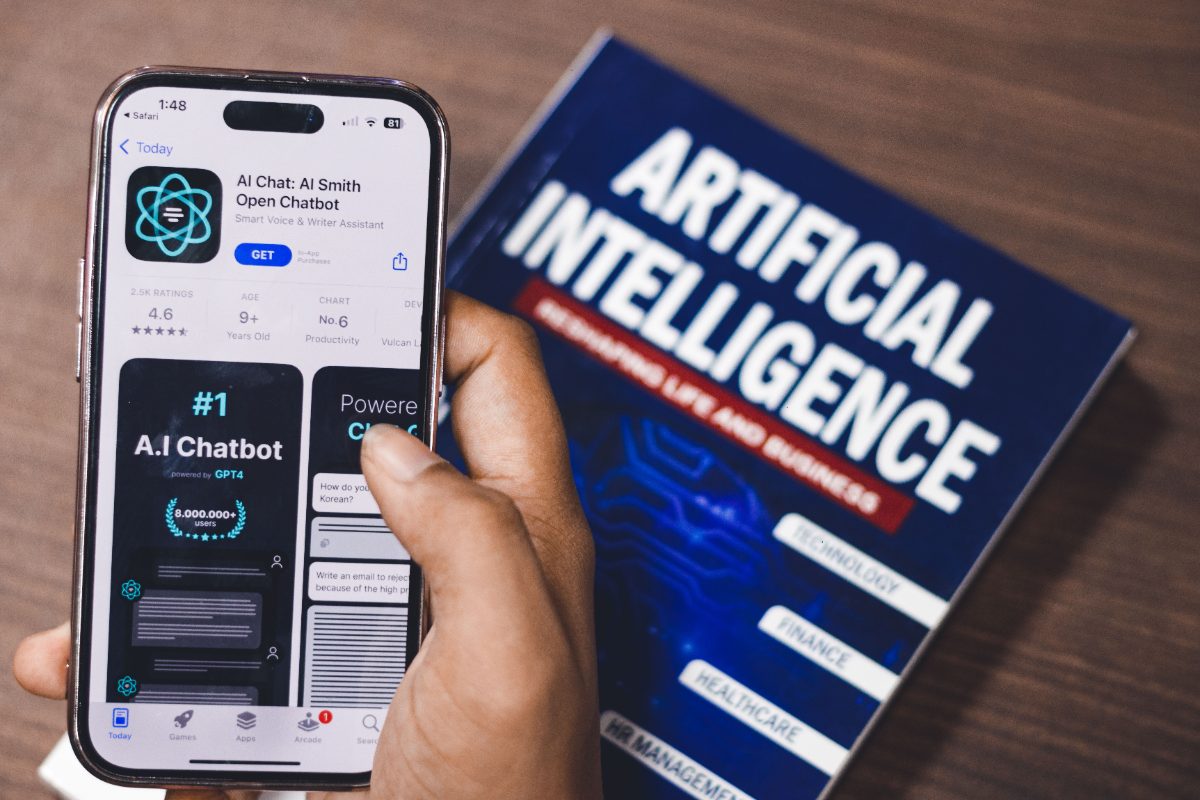
Should a growing practice hire another front desk team member or add an AI receptionist? In most cases the answer is both, in that order of priority: automate the repetitive call and booking load first, then use human hours where judgement and relationships matter. Front desk overload is extremely common in busy clinics, it is usually a workflow issue rather than a staffing failure, and it can be resolved without a permanent payroll increase. An AI receptionist coach setup gives a practice 24/7 call handling and automated booking while the existing team keeps ownership of patient relationships.
Picture a normal Monday. Two hygiene rooms running, a crown appointment overrunning, four patients waiting to check out, and the phone ringing for the ninth time before 11am. Nobody is doing anything wrong. The structure simply cannot absorb the volume.
Practices that solve this well treat the phone as a revenue channel with measurable performance. Reporting through an integrated growth engine shows answer rates, booking rates, and after-hours capture in one place instead of three disconnected systems.
Deciding between a hire and automation is much easier with real numbers. A free practice audit quantifies missed calls, response times, and unbooked enquiry value before any commitment is made.
For practices that also need help outside the front desk, from recruitment support to specialist creative work, partner add-on services can sit alongside the core setup.
What an AI Receptionist Does and Does Not Do
An AI receptionist is a configured voice and messaging system that answers inbound contact, understands the request, captures accurate details, and books appointments into live availability, escalating anything urgent or unusual to a human.
It handles
- Answering every call immediately, including evenings and weekends.
- New patient intake and appointment booking.
- Rescheduling, cancellations, and reminder follow-up.
- Routine questions about hours, location, parking, and services offered.
- Routing urgent symptom calls to the correct human pathway.
It does not handle
- Clinical advice, diagnosis, or treatment recommendations.
- Complex complaint resolution or sensitive financial conversations.
- Chairside patient care and in-practice hospitality.
- Judgement calls that require knowing a specific patient history.
That boundary is deliberate. Automation should carry volume, not responsibility for care decisions.
Comparison: Additional Hire vs AI Receptionist
Hiring another team member
- Strengths: relationship building, complex problem solving, in-person warmth, treatment coordination.
- Limits: works set hours, needs training and holiday cover, capacity capped at one conversation at a time.
- Timeline: recruitment plus onboarding before full productivity.
Adding an AI receptionist
- Strengths: instant answer, unlimited simultaneous calls, consistent scripting, full 24/7 coverage.
- Limits: needs accurate configuration, cannot replace human nuance, requires review cycles.
- Timeline: can cover after-hours calls quickly, then expand scope.
Best combined outcome
- Automation absorbs overflow, after-hours, reminders, and reactivation.
- Human staff focus on patients in the building, treatment planning conversations, and retention.
- Neither resource is wasted on work the other does better.
Signs Your Front Desk Needs Support
- Call abandonment is rising and nobody is tracking it.
- Voicemails from the previous evening are still unreturned at midday.
- Staff regularly stay late to complete admin.
- Recall and reactivation lists are untouched for weeks.
- New patient enquiries wait hours for a reply.
- Turnover in reception roles is increasing.
Burnout at the front desk shows up in patient experience long before it shows up in a resignation letter.
How the Coaching Element Works
The word coach matters here. The system is not dropped in and left. It is trained on your services, appointment types, hours, plan handling, and preferred phrasing, then reviewed against real calls.
- Discovery. Document services, appointment durations, providers, and policies.
- Script design. Build call flows that match how your team already speaks to patients.
- Escalation rules. Define exactly what triggers a transfer to a human.
- Pilot. Start with a limited window, usually after-hours, and review every transcript.
- Refinement. Correct wording, add missing answers, tighten booking rules.
- Scale. Extend to daytime overflow and outbound reactivation once quality is confirmed.
Myths About Practice Automation for Dentists
Myth: it is a way to cut staff
In practice it is usually a way to stop losing patients while keeping the same team. Most clinics redeploy hours rather than reduce them.
Myth: patients will refuse to use it
Patients care about outcomes. Being booked in ninety seconds at 9pm beats leaving a message and hoping.
Myth: setup is disruptive to daily operations
Starting with after-hours coverage means the clinic day is untouched during the pilot period.
Myth: it works the same for every practice
It does not. Appointment structures, provider preferences, and local plan coverage vary, which is why configuration and review determine results.
Safety, Privacy, and Oversight
Calls involve personal health information, so any deployment needs sensible controls: minimum necessary data capture, restricted access, clear logs of automated interactions, an easy route to a human, and regular quality review by the practice.
Clinical governance stays with licensed clinicians at all times. This article provides general operational information and is not legal or compliance advice for your jurisdiction.
Measuring the Return Honestly
- Answer rate before and after launch.
- New patient bookings created outside opening hours.
- Average response time to web and phone enquiries.
- Recall list movement month over month.
- Staff overtime hours and admin backlog.
Practices that track these five numbers can tell within a quarter whether automation, a hire, or both is the right next investment. Support is available across Canada, the USA, and the UK by email at admin@worldaigroup.com or by phone on +1 (416) 768-8422, +1 725-215-2141, and +44 7576 075578, with the head office at 3080 Yonge St Ste 6060, Toronto, ON M4N 3N1, Canada.
Frequently Asked Questions
Can an AI receptionist handle multiple calls at the same time?
Yes. Simultaneous call handling is one of the clearest advantages over a single human line, particularly during morning peaks.
What happens if a patient asks a clinical question?
The system provides general practical information only and routes clinical questions to the appropriate team member, because assessment must come from a licensed clinician.
Will it integrate with our existing scheduling software?
In most cases yes. The aim is to work with existing systems wherever possible rather than force a migration.
How much oversight does the practice need to provide?
Weekly transcript review during the pilot, then a lighter monthly quality check once accuracy is established.
Is this only worthwhile for practices with high call volume?
No. Lower volume clinics often gain proportionally more, because each captured new patient represents a larger share of monthly growth.
Conclusion
Front desk pressure is a structural problem, and structure can be redesigned. Let automation carry the repetitive, round-the-clock work and let your team do what only people can do. Measure answer rate and booking conversion first, then decide where the next hour of human time is truly best spent.