
 +1 (416) 768-8422
 +1 725 215 2141
 +44 7576 075578

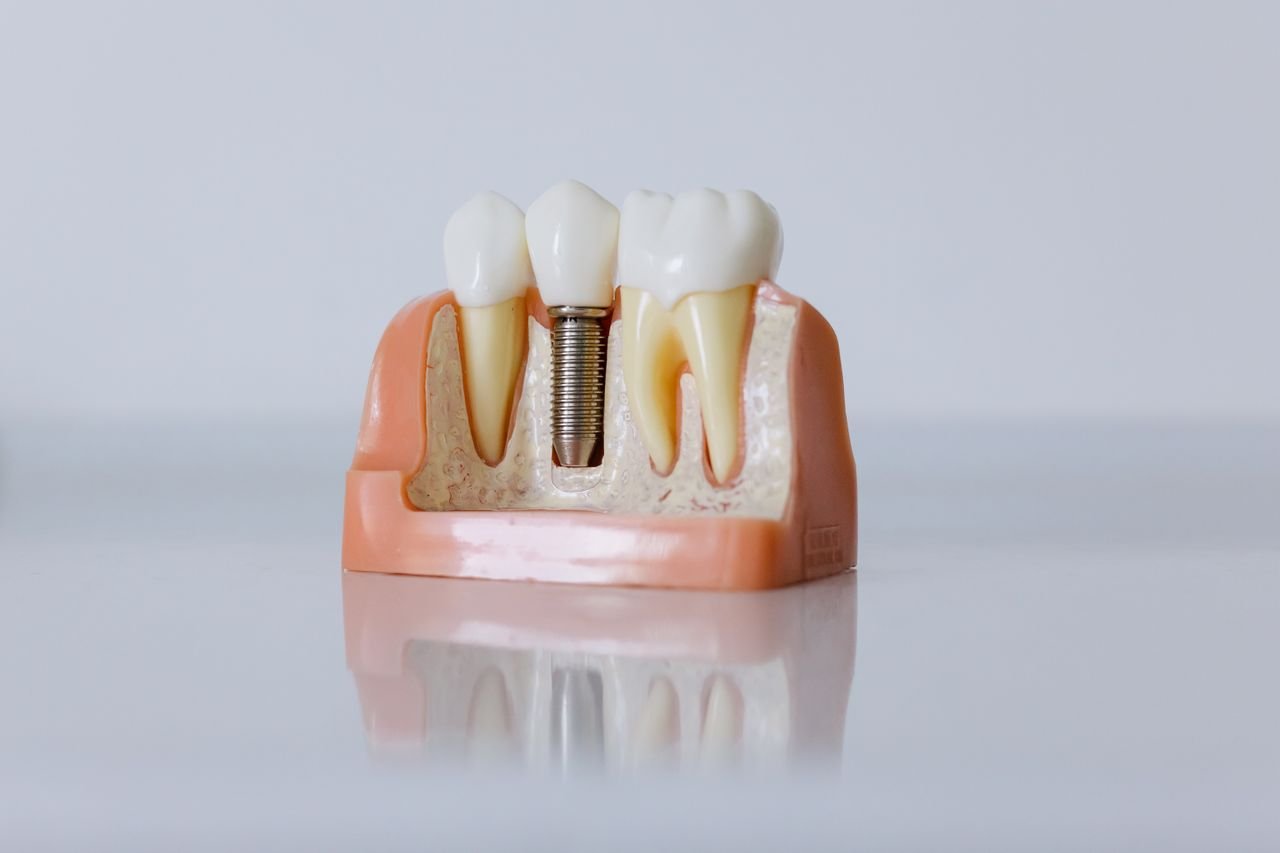
Dental practices attract more implant patients by building dedicated implant pages, ranking in local and AI search, running focused Google Ads, collecting implant-specific reviews, answering enquiries within minutes, and following up after every consultation. Implant patients research longer and compare several clinics, so slow response and thin websites are a common and serious leak for practices that want to grow this service. An all-in-one system like Denz.ai brings lead generation and 24/7 AI booking together so high-value enquiries don’t slip away.
If you’ve invested in implant training and equipment, it’s frustrating to see your chair time filled with check-ups while competitors seem to get the implant cases. That gap usually comes down to visibility and follow-up more than clinical skill. World AI Group works with practices on both sides of the problem: getting found and turning enquiries into consultations.
Trust is the deciding factor for most implant patients. Real before-and-after photos, video testimonials (with consent), and a polished website and brand carry a lot of weight, and that’s the focus of our Partner Add-On Services.
Implant calls also tend to be longer and more detailed than routine bookings. AI Receptionist Coach reviews those calls so your team can handle cost and fear questions with confidence. If you want to talk through your implant growth plan, you can contact us anytime.
The implant patient journey
- Search: “dental implants near me,” “implants vs dentures,” “are implants painful”
- Research: reviews, before-and-after photos, financing, dentist experience
- Enquiry: call, form, chat, or text, often after hours
- Consultation: exam, 3D scan, treatment plan, questions
- Decision: often weeks later, after comparing options
Why are implant patients different from routine patients?
Dental implants are a major decision. Patients are often dealing with missing teeth, failing dentures, or fear of surgery, and they’re weighing a significant investment.
- They research for weeks or months before booking.
- They compare 2 to 4 clinics on average.
- They ask about cost, pain, recovery, and success rates.
- Many are older adults, and adult children often help them research.
- They need more reassurance and follow-up than routine patients.
That means implant marketing has to answer questions, build trust, and stay in touch longer.
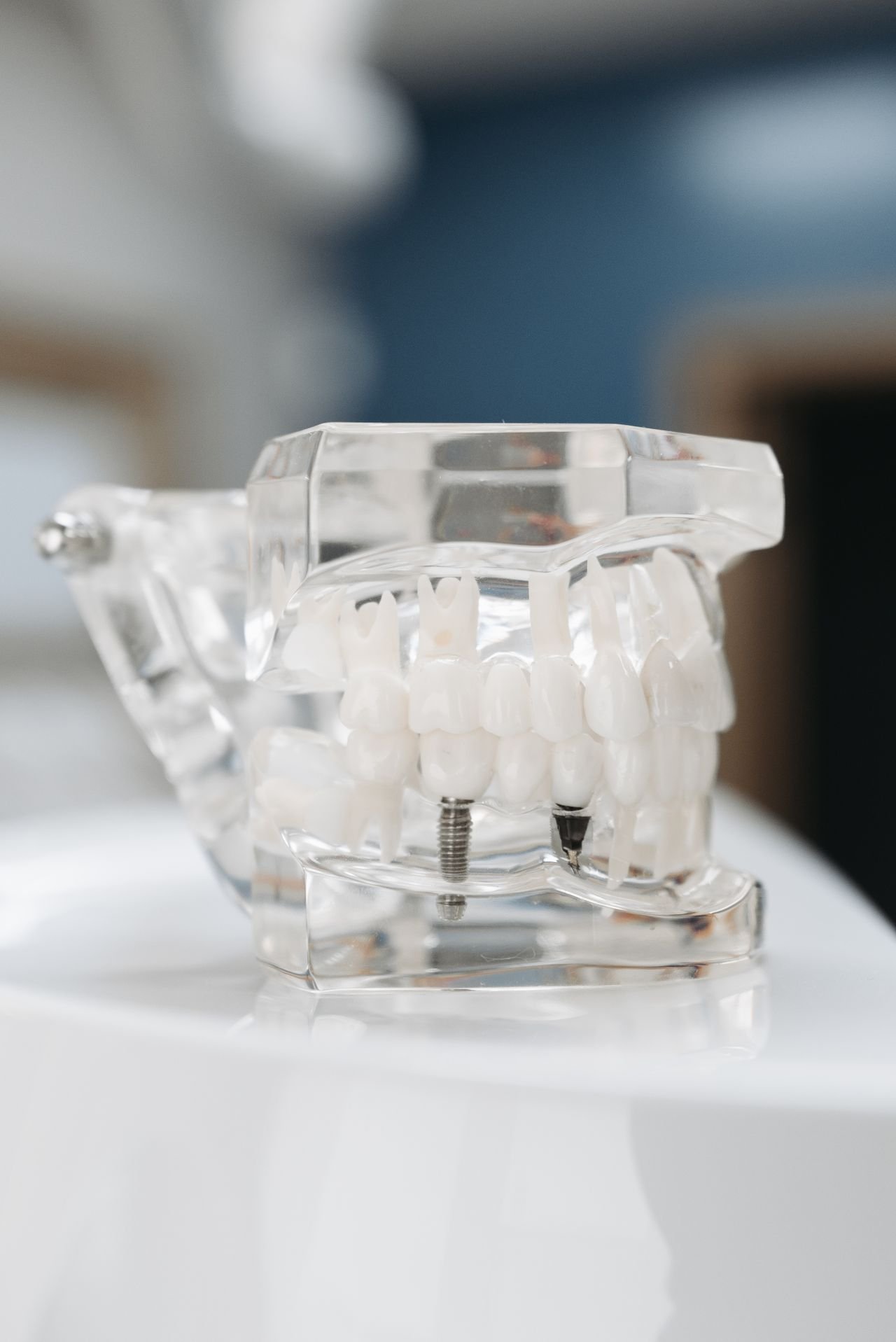
How do you get found by implant patients?
Build a strong implant section on your website
One generic “implants” page isn’t enough. Patients search for specific options, so consider separate pages for single-tooth implants, implant-supported dentures, full-arch solutions, bone grafting, and implants vs bridges or dentures. Each page should answer the questions patients actually ask in plain language.
Rank in local search and Google Maps
Add implant services to your Google Business Profile, post implant-related updates, upload real photos, and encourage implant patients to mention the treatment in reviews.
Show up in AI search
More patients now ask ChatGPT, Gemini, or Google’s AI Overviews questions like “Who does implants near me?” or “Are implants worth it at 70?” Clear FAQ content, consistent business details across directories, and strong reviews help AI tools understand and recommend your practice. This is where SEO, GEO, and AEO work together.
Run focused Google Ads
Implant keywords are competitive, so tight targeting matters: specific implant terms, a defined radius, ad schedules that match when you can answer, and landing pages built for implant enquiries rather than your home page. Track calls and form submissions from every ad.
Use social media for education and proof
Short videos explaining the process, patient stories (with written consent), and before-and-after images help people picture the result. Retargeting ads can remind website visitors who didn’t enquire.
How do you turn more enquiries into consultations?
- Answer fast. Implant enquiries cool quickly. Aim to respond within minutes, including evenings and weekends, with live staff or an AI receptionist.
- Train the front desk on implant calls. Have clear, kind answers ready for “How much does it cost?”, “Does it hurt?”, and “Am I too old?”
- Offer a clear next step. A consultation with a scan and personalized plan is easier to say yes to than a vague “come in and we’ll see.”
- Confirm and remind. Text and email reminders reduce no-shows for consultations.
- Send something useful before the visit, like a short video about what happens at the consultation.
How do you increase implant case acceptance?
- Use visuals. 3D scans, models, and before-and-after photos explain more than words.
- Present options. Single implant, bridge, implant-supported denture. Patients like choices.
- Talk about the cost of waiting. Bone loss and shifting teeth can make treatment more complex later.
- Explain financing clearly. Many patients decide based on monthly affordability rather than total cost.
- Give them time. Send a written plan and schedule a follow-up call within a week.
- Follow up more than once. Many implant patients say yes after the second or third touch.
What questions should your implant pages answer?
The best implant pages read like a patient consultation in writing. Cover these, in plain language:
- What is a dental implant, and how is it different from a bridge or denture?
- Am I a good candidate? What if I’ve had bone loss or worn dentures for years?
- Does it hurt, and what sedation options are available?
- How long does the whole process take, step by step?
- What does recovery feel like in the first week?
- How long do implants last, and how do I care for them?
- How is cost determined, and are payment plans available?
- Who will do the surgery, and what training do they have?
Answering these openly does 2 jobs: it builds trust with patients, and it gives search engines and AI tools the clear, question-based content they look for.
Which numbers should you track for implant growth?
- Implant enquiries per month, by source
- Response time to implant enquiries
- Enquiry-to-consultation rate
- Consultation show rate
- Case acceptance rate after consultation
- Time from consultation to accepted treatment
When one of these drops, you know exactly where to look.
Comparing implant marketing channels
| Channel | Strength | Speed | Watch out for |
|---|---|---|---|
| SEO and implant pages | Long-term, trusted traffic | Months | Thin or copied content |
| Google Ads | Fast, high-intent leads | Days | Wasted spend without call tracking |
| Google Maps and reviews | Local trust and visibility | Weeks to months | Few implant-specific reviews |
| Social media ads | Education and retargeting | Days to weeks | Low-quality leads without screening |
| Referrals | Highest trust | Slow | Hard to scale on its own |
Common mistakes practices make with implant marketing
- Sending implant ads to the home page.
- Letting after-hours implant enquiries wait until morning.
- Using stock photos instead of real cases.
- Avoiding the cost question on calls, which makes patients feel dodged.
- No follow-up after the consultation.
- Not tracking which channel produced each implant case.
Myths about implant marketing
“Advertising implant prices brings in more patients.”
Price-led ads often attract bargain hunters and can conflict with professional advertising rules in some regions. Leading with outcomes, experience, and financing options tends to attract better-fit patients.
“AI can’t handle implant enquiries.”
AI receptionists can answer common questions, collect details, and book consultations. Clinical questions and detailed treatment discussions are passed to the team.
“SEO is too slow to matter.”
SEO takes months, but implant pages that rank keep bringing in enquiries for years. Most growing practices pair SEO with ads.
Real practice scenarios
The overnight enquiries. A practice found that a large share of its implant enquiries came in after 6 p.m. Adding 24/7 AI booking turned many of those into scheduled consultations.
The landing page fix. A clinic running implant ads to its home page switched to a dedicated implant landing page with real cases and an FAQ. Consultation bookings from the same ad budget improved.
The follow-up system. A practice added a simple 3-step follow-up after each implant consultation: written plan, a call at day 5, and a check-in text at day 14. Case acceptance rose over the next quarter.
Advertising rules and patient privacy
Dental advertising is regulated. In Ontario, for example, the Royal College of Dental Surgeons of Ontario (RCDSO) sets rules on testimonials, before-and-after photos, and claims, and other provinces, states, and the UK’s General Dental Council have their own standards. Patient photos and stories require written consent. Patient data must be handled under PHIPA and PIPEDA in Canada, HIPAA in the US, and UK GDPR in the UK. Check current rules before launching campaigns.
A growth partner for implant-focused practices
World AI Group is a trusted AI-powered growth partner for modern dental and healthcare practices, delivering AI-native marketing, automation, and operational solutions across Canada, the USA, and the UK. The team focuses on helping practices attract more patients, reduce operational inefficiencies, recover missed revenue, and scale using AI, while working with existing software where possible. For many clients, that starts with AI patient acquisition for high-value services like implants.
Services include Denz.ai (the all-in-one growth engine), AI Receptionist Coach, AI Reputation Management and review generation, AI Phone Workflow, Financial Packages, SEO + GEO + AEO, Google Ads management, social media ad management, website design, branding, and partner add-on services. The AI Receptionist covers missed calls and after-hours enquiries with 24/7 call handling and automated booking, which is often where implant leads slip away. It’s part of what many practices see as the best AI marketing for dental practices that want measurable growth.
World AI Group offers free practice audits and free consultations. Email admin@worldaigroup.com or call +1 (416) 768-8422 (Canada), +1 725-215-2141 (USA), or +44 7576 075578 (UK). The office is at 3080 Yonge St Ste 6060, Toronto, ON M4N 3N1, Canada, and the website is worldaigroup.com.
Frequently asked questions
What’s the best marketing channel for dental implants?
Most practices get the best results combining Google Ads for fast enquiries with SEO and reviews for long-term visibility, plus fast response and follow-up.
How long does it take to see more implant patients?
Ads can produce enquiries within days. SEO and review growth usually take a few months. Consultation follow-up improvements can lift acceptance within weeks.
Should dental practices advertise implant prices?
Many practices avoid listing fixed prices because every case is different and advertising rules may apply. Explaining that costs depend on the plan, and offering financing options, is a common approach.
Can an AI receptionist book implant consultations?
Yes. It can answer common questions, collect patient details, and book consultations into the schedule, passing clinical questions to the team.
Why do implant patients take so long to decide?
Implants are a major health and financial decision. Patients often need time, more information, and reassurance, which is why consistent follow-up matters.
Conclusion
Implant patients research carefully, so visibility, trust, and fast response all matter.
Dedicated implant pages, focused ads, real reviews, and steady follow-up bring in more consultations and accepted cases.
Track every enquiry from source to treatment so you know what’s working.